Nothing Else to Do: The Fenian Raids, 1866 – 1870
Speaker: Bruno Paul Stenson, M.A.
When: Thursday, September 17, 2026, 7:30 p.m. – 9 p.m.
Where: Centennial Hall,
288 Beaconsfield Blvd, Beaconsfield, H9W 4A4
Lecture in English followed by a bilingual question period
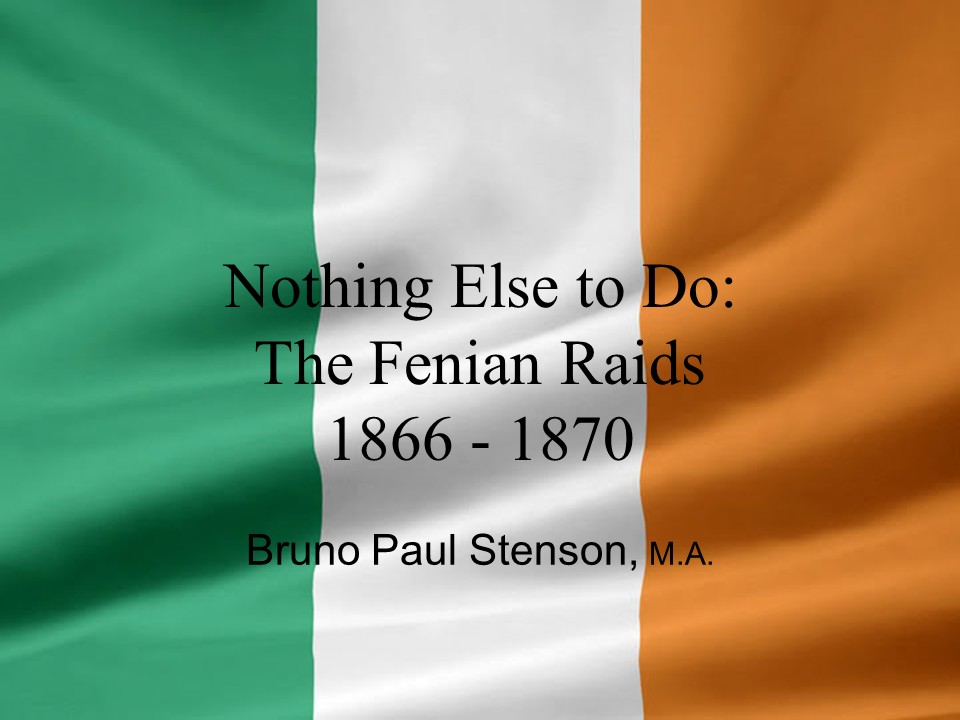 The last invasion of Canada was staged by Irish nationalists who wanted to create an independent country. They succeeded, but with one wee problem: they created the wrong country. Find out how in this lecture.
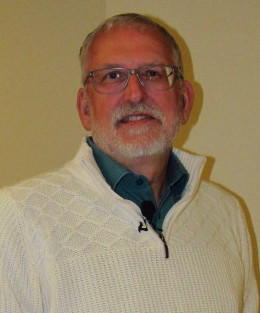
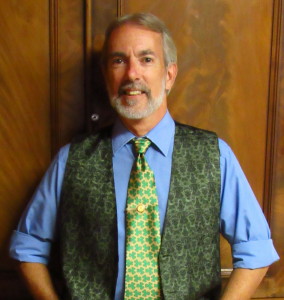 Bruno Paul Stenson is a social historian who has been giving entertaining lectures since 1984. A fluently bilingual graduate of McGill and Concordia universities, he has earned a diploma in Public Relations Management, Bachelor's degrees in Psychology and in History, and a Master's degree in History which he earned with a thesis on the reasons why Jean Drapeau changed his mind about Expo 67. A volunteer guide at the Château Ramezay Museum since 1995, his public education efforts earned him the Museum Volunteer Award from the Canadian Museums Association in 2015, the Sovereign's Medal for Volunteers from the Governor General of Canada in 2016, and the Château Ramezay Centennial Medal from the Château Ramezay Museum, also in 2016. He was made a Fellow of the Château Ramezay Museum in 2026. His many lecture topics include social history, science, and music (he owns and plays some 250 different musical instruments).
= = = = = = = = = =
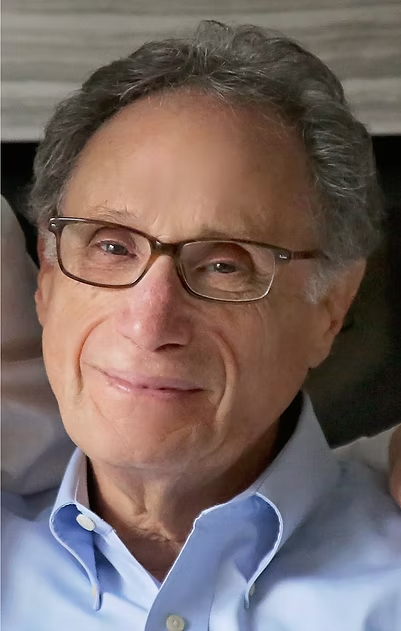
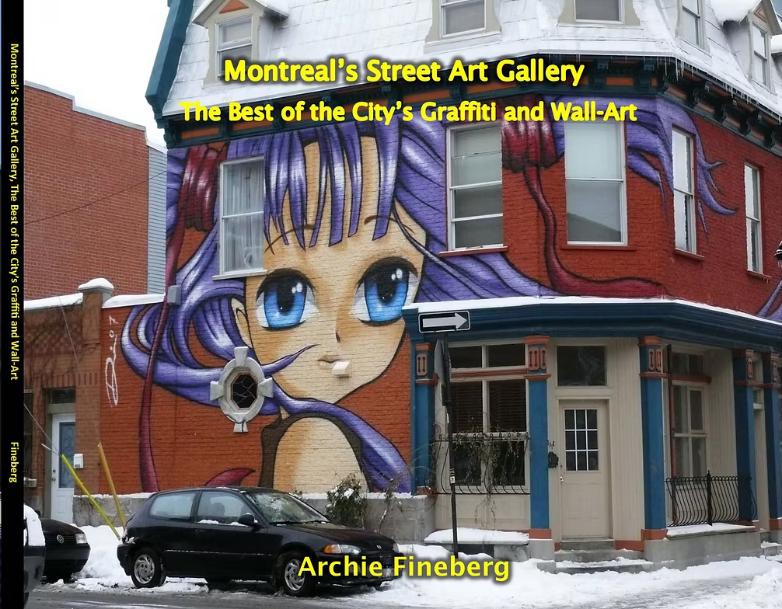 In 2017, he published his first book, Montreal’s Street Art Gallery and in the following year its translation, Montréal, galerie à ciel ouvert. These were followed in 2022 with the sequel book, Montreal’s Street Art Gallery II.
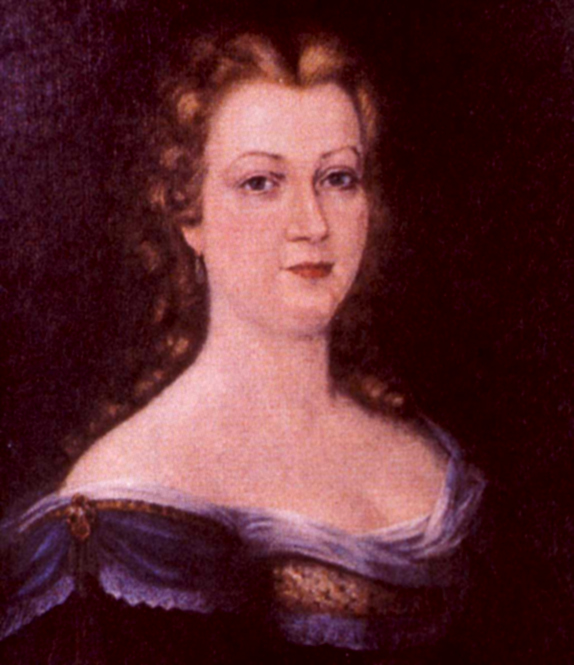
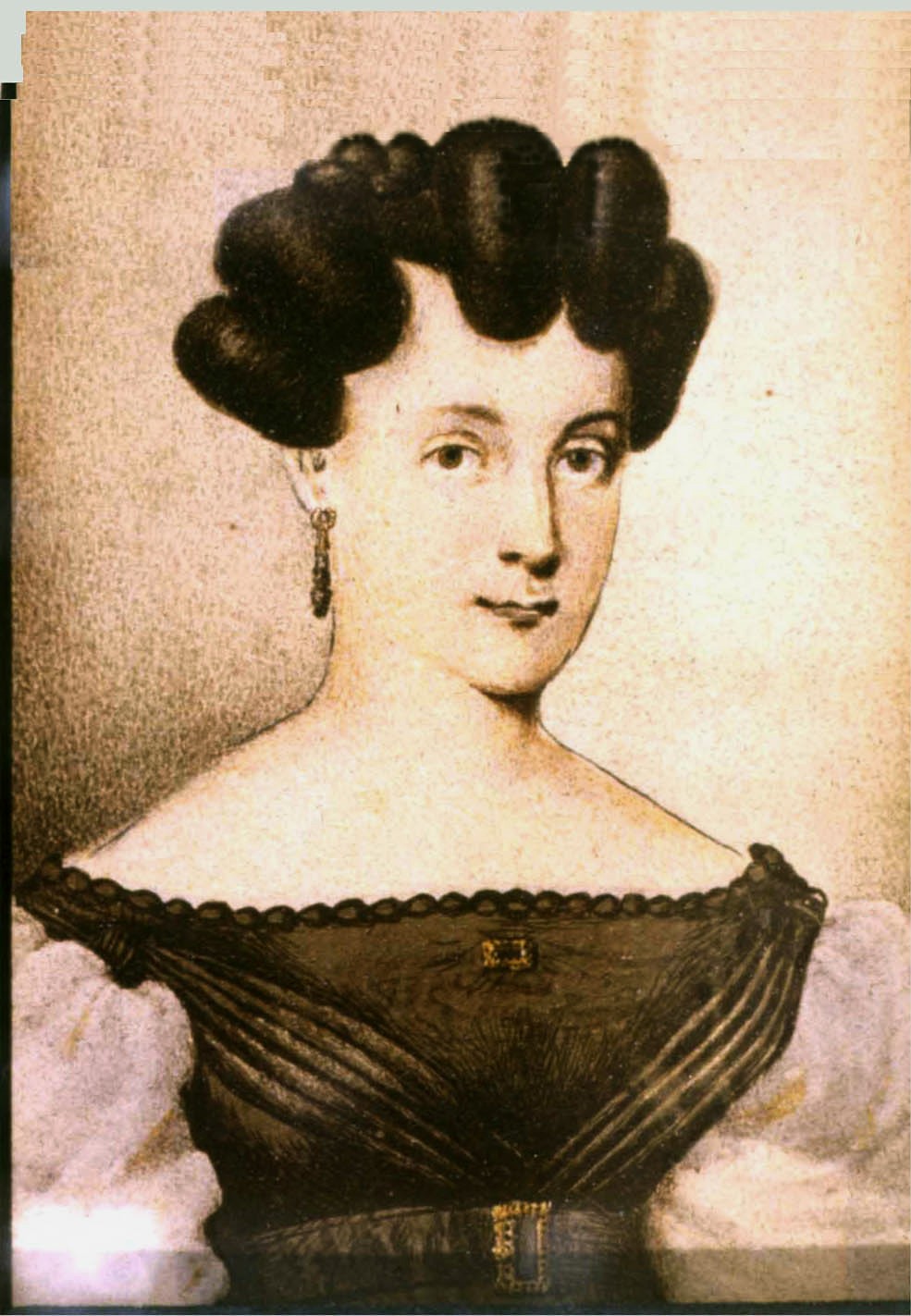 Presentation of the role of seigneuresses, those wives of the great landowners from the 17th to the 19th centuries. The conference features five of them: Louise de Ramezay (Sorel), Louise-Élizabeth de Joybert de Marson (Vaudreuil), Louise-Madeleine Chaussegros de Léry (Rigaud), Marguerite Dufrost de la Jemmerais, mother of Youville (Châteauguay), and Jane Ellice (Beauharnois). These ladies, through their originality and strength of character, would mark in their own way the destiny of their seigniory, shaped by the atmosphere of those times, and the environment where they lived.
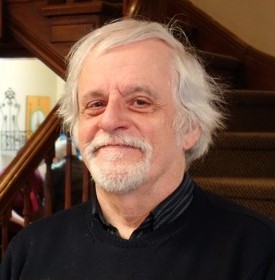 Michel Bélisle, author and lecturer, was born in Montréal. He studied Anthropology - Ethnology at Université de Montréal, and Design & Environment at UQAM. He worked as assistant-curator at McCord Museum, curator at Musée régional de Vaudreuil-Soulanges, curator at Trestler House in Vaudreuil-Dorion. He was guest curator for many special exhibitions and wrote several books and brochures on Montreal West-Island and Vaudreuil regions.
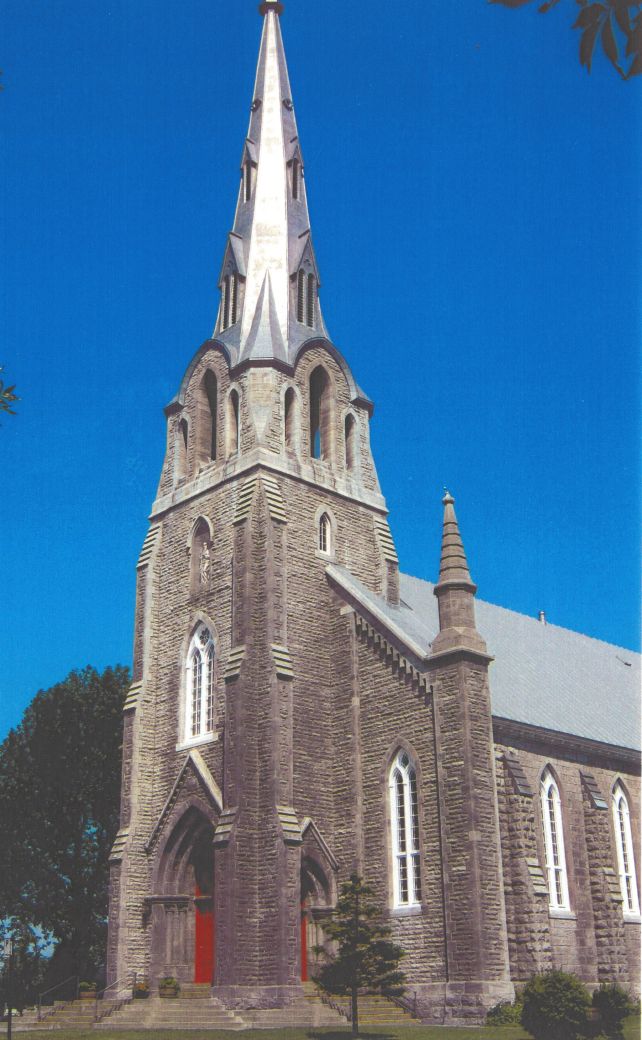 Come and discover the exterior and interior architecture of the four successive churches of the Parish of St. Joachim de la Pointe-Claire. You will also learn anecdotes about their history: from a collection theft in 1732 to a patriot's speech in 1837, from a contractor's bankruptcy to the allocation of pews.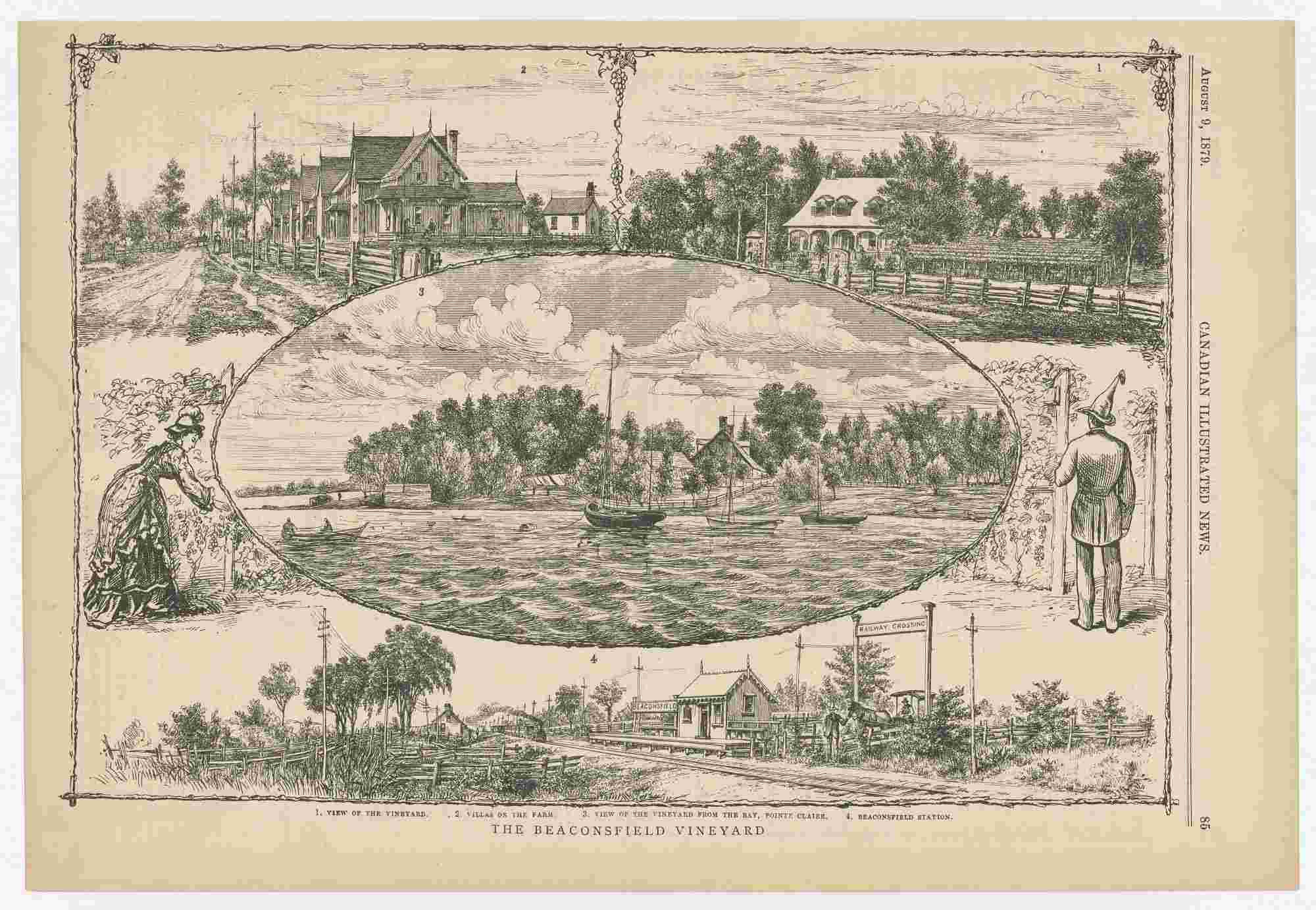
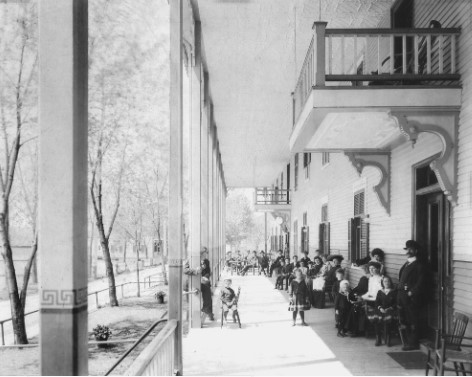 Ryan Young is a Ste-Anne-de-Bellevue City Councillor and a College Professor at JohnAbbott College who has done extensive research about the history of Ste-Anne-de-Bellevue. Every year, he leads a number of historical walking tours in the old village of Ste-Anne-de-Bellevue.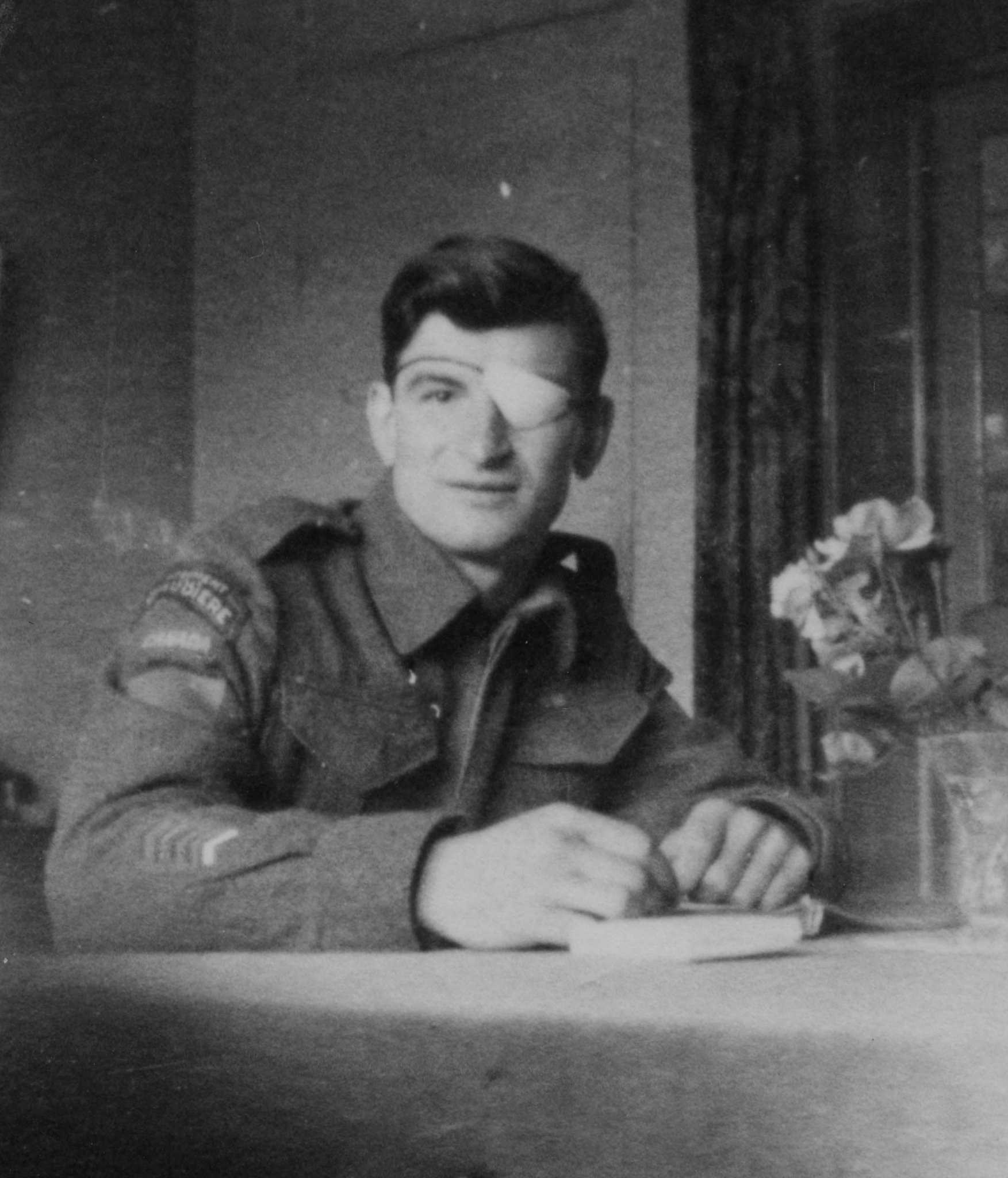
 nned the next day by the Allies.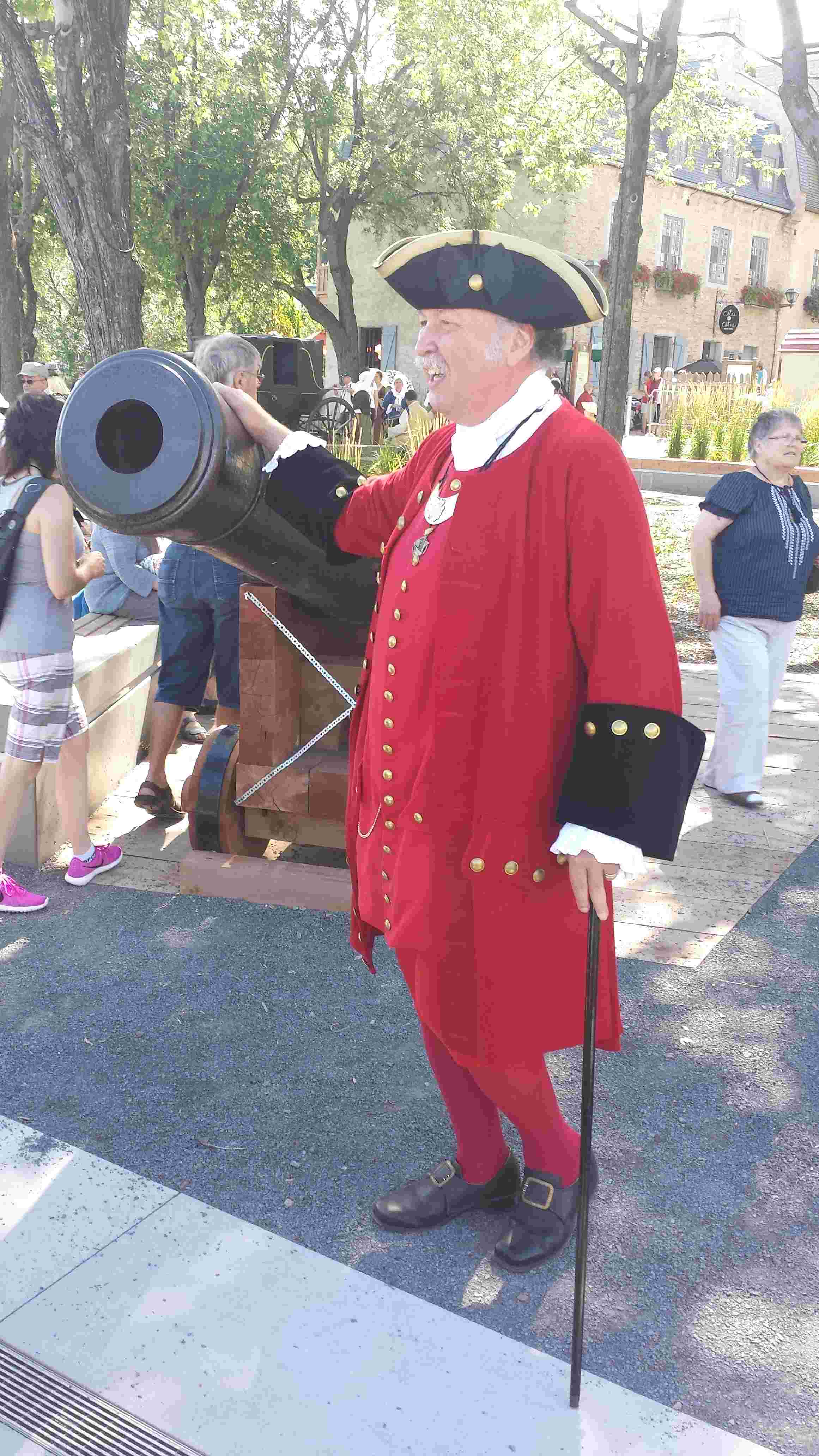
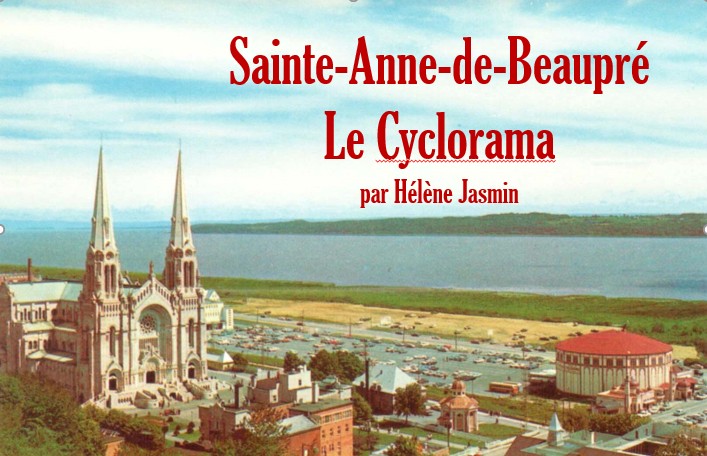 The Jerusalem Cyclorama, a tourist site of invaluable heritage and artistic value, continues to inspire admiration from visitors of all faiths. This cyclorama is the largest in North America, measuring 14 metres high and 110 metres long.